Skip to content
Blog

Guides, news and research from Qubitpage

Practical guides about remote support, robotics, AI agents and e-commerce, plus what we learn from our own projects and quantum experiments.

More articles

AI video & film

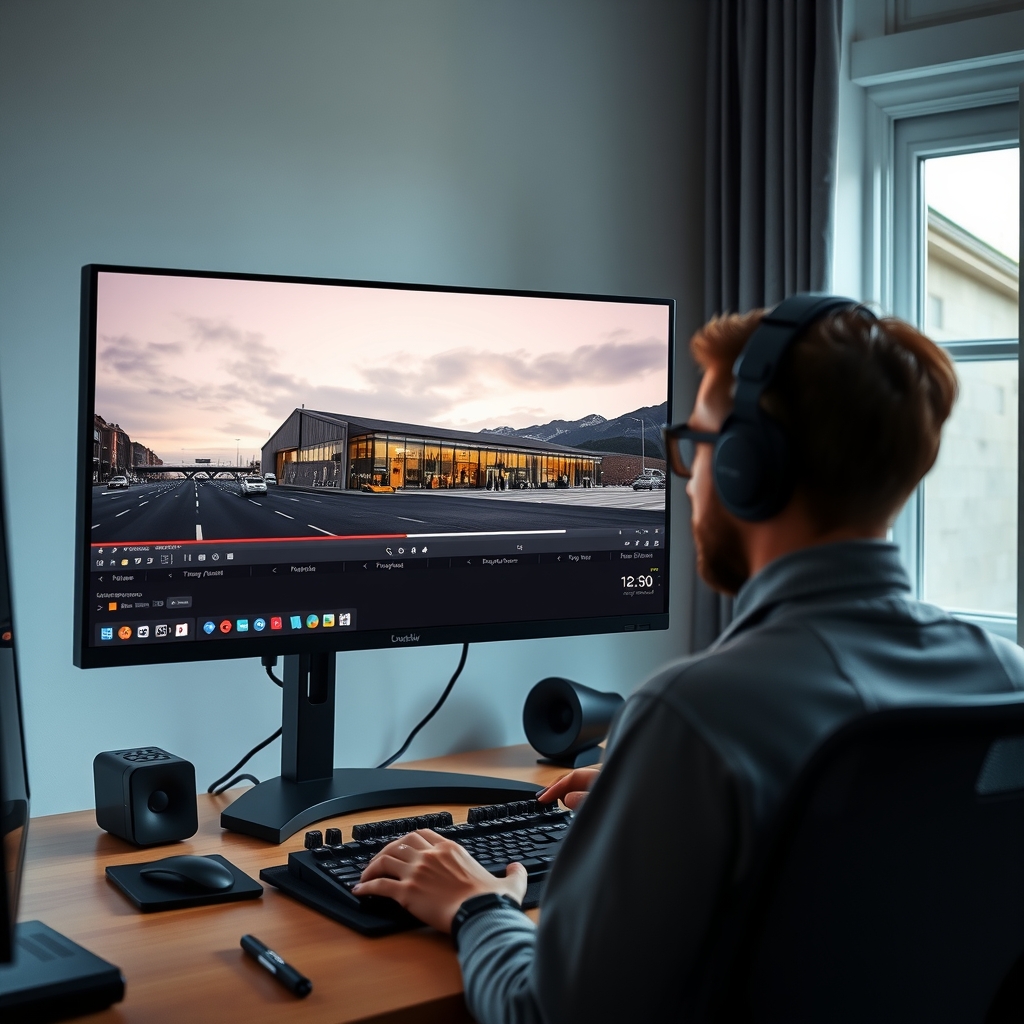
How to Keep Consistent Characters in AI Video Shots

Learn practical ways to maintain consistent faces, clothing, and settings for AI characters across video shots using Carpathron Studio and proven workflows.

  • Save character descriptions and reference images in Carpathron Studio
  • Reuse the same AI model and voice settings for every shot
14 min read
AI video & film

Local vs cloud AI video generation: cost, speed and privacy

Compare running AI video models on your own GPU versus paying per‑clip cloud services. Learn about cost, performance and data privacy for creators.

  • Local GPU gives predictable per‑minute cost after hardware purchase
  • Cloud models charge per clip but scale instantly for spikes
15 min read
AI video & film

Turn a Story into a Film with AI – Step‑by‑Step Guide

Learn how to turn a written story into a short film using Carpathron Studio AI. Follow practical steps, choose models, and export a finished video.

  • Carpathron Studio turns text into full‑length shots with AI models
  • Both local GPU and cloud models are supported for rendering
12 min read
Business & cloud

Secure Linux Server Setup Checklist for Your First VPS

A step‑by‑step checklist to configure a secure Linux server for a web app, covering firewall, SSH hardening, updates, monitoring and backups.

  • Enable a minimal firewall and only open required ports
  • Harden SSH with key authentication and limited access
13 min read
AI agents

Bring Your Own API Key AI: Save Money and Protect Privacy

Learn why using your own AI API key reduces costs and safeguards data. We explain the benefits, setup steps, and how Qubitpage's Carpathron Remote supports BYOK.

  • Using your own AI key cuts subscription fees
  • Data never leaves your network when you control the key
15 min read
Quantum computing

Logical qubit Bell pair: why a [[4,2,2]] code beats physical qubits

Discover how a [[4,2,2]] logical Bell pair outperforms single qubits, the error‑detection mechanism behind it, and its impact on quantum computing.

  • A [[4,2,2]] code uses 4 physical qubits to create a single logical qubit with error detection
  • The logical Bell pair achieved 97.7% fidelity on IBM QPUs, surpassing 89.7% for physical pairs
14 min read
AI agents

Safe AI Agents: Approvals, Supervisors and Verification

Learn practical patterns for building safe AI agents with approvals, supervisors and verification. Apply proven techniques to protect users and systems.

  • Use approval tokens to gate sensitive actions
  • Integrate supervisor agents to monitor behavior
15 min read
E-commerce

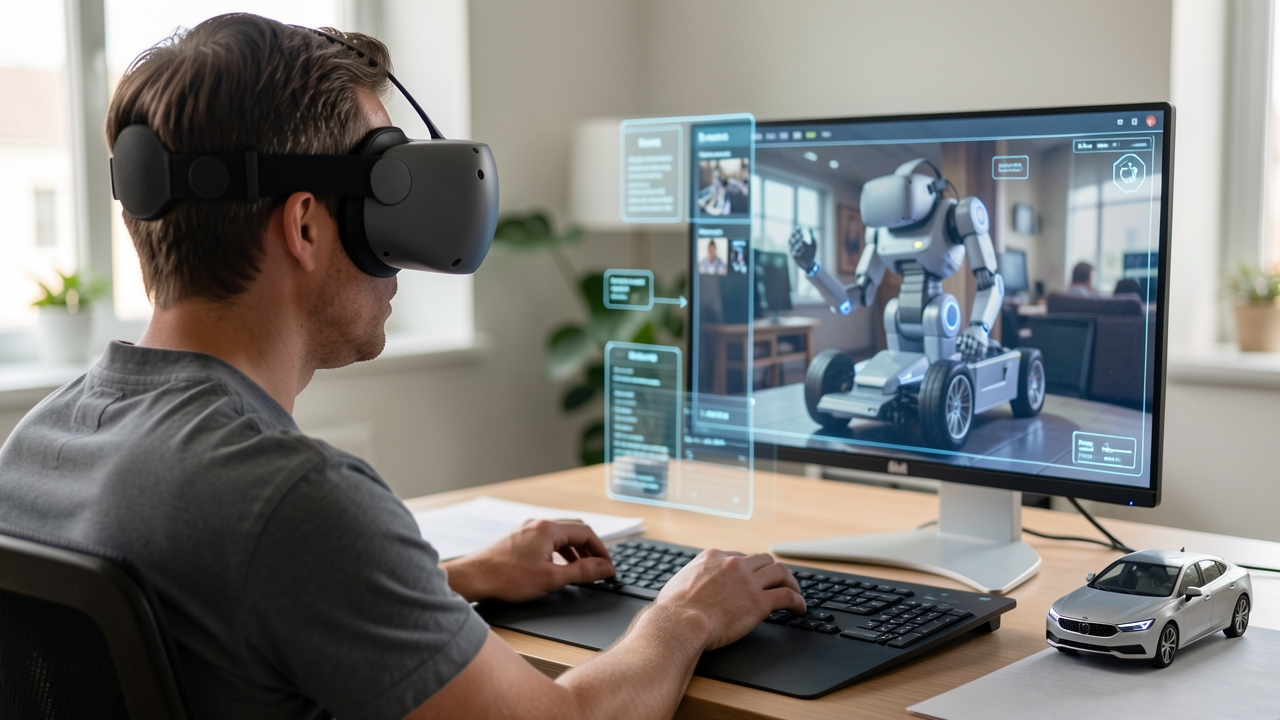
Warehouse digital twin Isaac Sim: From orders to robots

Learn how to build a warehouse digital twin with NVIDIA Isaac Sim, simulate orders, plan robot paths, and deploy real robots for efficient e‑commerce logistics.

  • Simulate orders and robot paths before deployment
  • Integrate NVIDIA Isaac Sim with CarphaCom e‑commerce platform
3 min read
Robotics & coding

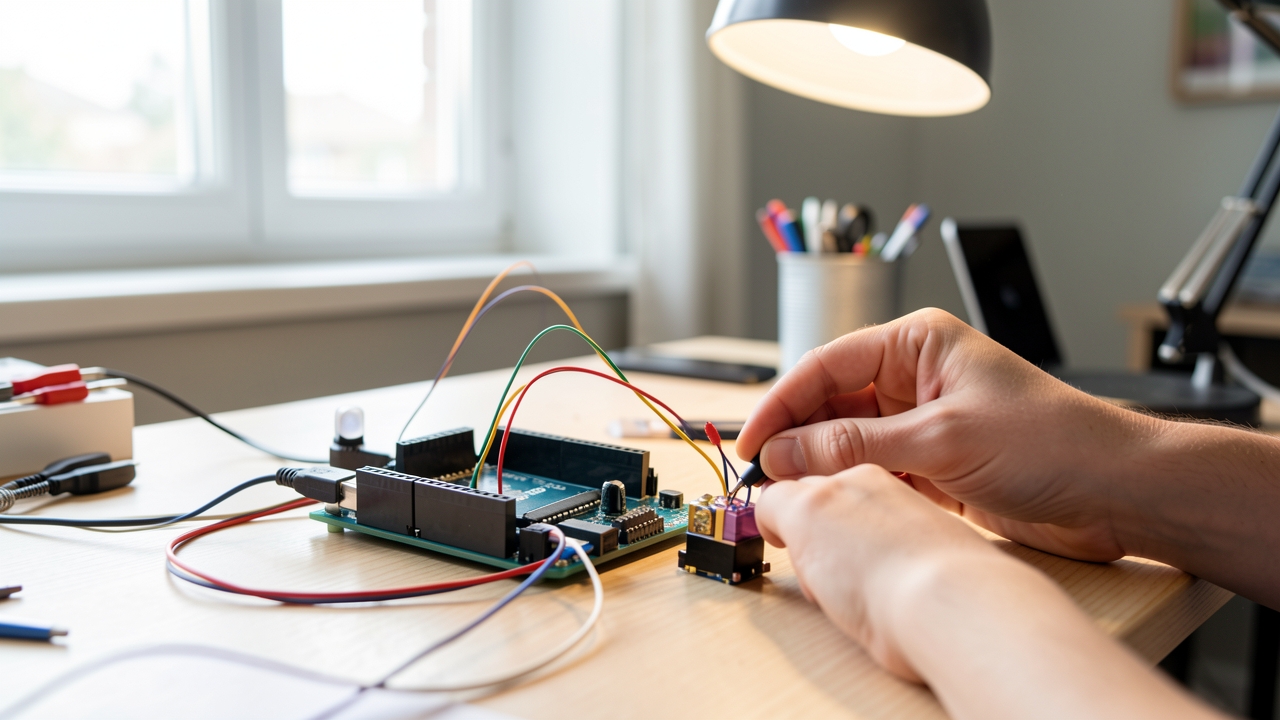
ESP32‑CAM Robot Car: Live Video & Wi‑Fi Control

Learn how to build an ESP32‑CAM robot car with live video streaming and Wi‑Fi remote control using Carpathron Remote and Carpathron Robotics & Coding. Step‑by‑step guide.

  • Build a camera robot car with ESP32‑CAM and live video
  • Control the car over Wi‑Fi using Carpathron Remote
15 min read
Remote desktop & IT support

Help Someone with Their Computer Remotely: A Practical Guide

Learn how to help someone with their computer remotely without frustration. Step-by-step setup, common fixes, scam prevention, and practical remote tools.

  • Establish clear phone communication before touching any remote desktop software to prevent confusion
  • Receiving remote assistance requires no paid license or complex account registration on the client PC
13 min read
Remote desktop & IT support

Remote Desktop Linux: Control and Be Controlled Setup

Configure remote desktop on Linux across X11 and Wayland. Step-by-step guide for .deb and AppImage setups, permissions, and inbound or outbound control.

  • Wayland requires PipeWire and portal backends for remote capture, while X11 relies on direct window queries
  • AppImage builds deliver portability across distributions, whereas .deb packages integrate with system services
15 min read