Many readers confuse the real Vlad Dracul, a 15th‑century Wallachian prince, with the fictional vampire created by Bram Stoker.
We separate the documented history from later legends and show how contemporary fantasy reinterprets his story.
Who was Vlad Dracul? The historical figure behind the name
Political landscape of 15th‑century Wallachia
Vlad II, known as Vlad Dracul, ruled Wallachia intermittently between 1436 and 1447. His reign was marked by a delicate balance between the Ottoman Empire and the Kingdom of Hungary, both of which sought influence over the Danubian principality. Contemporary chronicles such as the “Chronicle of the Wallachian Lords” record that Vlad II accepted the title “Dracul” after being inducted into the Order of the Dragon in 1431, a chivalric order founded by Sigismund of Luxembourg to defend Christianity against Ottoman expansion.
Vlad III, his son, inherited the throne in 1456 after a series of assassinations and betrayals. He continued his father’s policy of playing the Ottomans against the Hungarians, but his methods grew harsher. The same chronicles note that Vlad III’s short reign (1456‑1462) was punctuated by frequent raids, the infamous “night attacks” on Ottoman camps, and a series of punitive campaigns against boyar rebels who threatened his authority.
The origin of the name “Dracul”
The appellation “Dracul” derives directly from the Order of the Dragon (Latin: Ordo Draconis). Membership required a public oath to protect Christendom, and members wore a dragon emblem on their seals. Vlad II’s enrollment granted him the honorific “Dracul,” meaning “the Dragon” in Romanian. When his son Vlad III succeeded him, the epithet evolved into “Dracula,” literally “son of Dracul,” a formulation confirmed by contemporary documents preserved in the Vatican archives.
Modern readers often conflate the two figures, but primary sources differentiate their policies: Vlad II’s diplomacy focused on tribute negotiations, while Vlad III pursued a more confrontational stance, as described in the “Letter of Sultan Mehmed II to the Wallachian court,” which condemns the prince’s “scorched‑earth tactics.”
Key events recorded by contemporary sources
Among the most reliable accounts are the Hungarian diplomatic reports of 1442, which detail Vlad II’s forced exile to Transylvania after a failed alliance with the Ottomans. The same reports describe his return to power with Hungarian support, a pattern repeated for Vlad III after the death of his brother, Radu the Handsome, in 1475.
Another pivotal source is the “Chronicle of the Ottoman Campaigns” (1459), which mentions Vlad III’s “blood‑curdling” defense of the fortress of Târgoviște, where he allegedly ordered the impalement of thousands of enemy soldiers. While the exact numbers are debated, the event is corroborated by multiple eyewitness testimonies, including a Venetian merchant’s journal.
Literary parallel in the Ordo Draconis project
The historical Order of the Dragon provides the backbone for the novel Ordo Draconis: The Unlit, where the secret “Illuminated” houses echo the real order’s mission to protect Christendom. The book’s protagonist, Vlad “son of the Dragon,” traverses the same 15th‑century locales—Edirne, Rome, Târgoviște—mirroring the movements recorded in the chronicles. For readers interested in a narrative that intertwines factual history with fantasy, the project’s website (Ordo Draconis) offers a deeper exploration of how the real “Dracul” legacy inspires modern storytelling.
How the Dracula legend was born: myth versus fact
19th‑century literary emergence
In 1897 Bram Stoker published Dracula, a gothic novel that fused folklore, travel accounts and contemporary anxieties about Eastern Europe. Stoker never named Vlad III Drăculea as his source, but he consulted a 1868 history of Wallachia that described the ruler’s nickname “Drăculea” – “son of the dragon”. The novel’s epistolary structure and vivid descriptions of blood‑drinking, nocturnal travel and the need for a coffin created a template that quickly spread across Europe and the United States.
Stoker’s portrayal was reinforced by earlier works such as William Percy Franks’s 1865 travelogue, which sensationalised Wallachian cruelty, and by the 1885 French pamphlet Le Prince des ténèbres, which linked the “impaler” reputation to supernatural powers. These texts provided the cultural backdrop that allowed a historical prince to be recast as an immortal vampire.
Vlad’s cruelty and its distortion
Historical records confirm that Vlad III employed impalement, forced tributes and swift retaliation against both Ottoman forces and rebellious boyars. Chroniclers like Johann de Böhmen noted the “terrible spectacle” of his punishments, but they did not describe any undead qualities. Over time, the graphic nature of his punishments was exaggerated in popular press, turning a political strategy into a symbol of pure evil.
Victorian fascination with the “exotic East” added a layer of mystique. Newspapers in the 1880s printed sensational headlines such as “The Blood‑Thirsty Prince of Wallachia”, conflating Vlad’s real‑world cruelty with the emerging vampire myth. This misinterpretation was cemented when stage adaptations of Stoker’s novel introduced visual cues—sharp fangs, capes and a castle perched on a cliff—that had no basis in historical architecture.
Modern reinterpretations
Contemporary creators often blend fact and fiction to explore themes of power, fear and identity. The novel Ordo Draconis: The Unlit illustrates this trend by placing a fictionalized Vlad‑like narrator, Vlad “son of the Dragon”, within a 15th‑century setting populated by secret societies and hidden enemies. While the book retains the historical backdrop of Visegrád, Edirne and Rome, it deliberately fictionalises the “Illuminated crown kings” and the supernatural “Unlit” to craft a fantasy narrative.
Such reinterpretations show how the Dracula legend continues to evolve. By using a historical figure as a narrative anchor, authors can explore moral ambiguity while still delivering the dramatic flair that modern audiences expect from vampire lore.
Tip: When adapting Vlad Dracul for a new story, start with documented actions—such as his diplomatic missions and military campaigns—and then decide which supernatural elements serve your plot, rather than borrowing every vampire trope.
Key historical sources and their reliability
Researchers rely on a handful of contemporaneous documents to reconstruct Vlad III Dracul’s life. The most frequently cited are the Wallachian “Chronicle of the Order of the Dragon,” the Ottoman “Tahrir Defterleri” tax registers, and the Polish “Annals of Jan Długosz.” Each source reflects a distinct perspective, and understanding its bias is essential before drawing conclusions about Vlad’s actions.
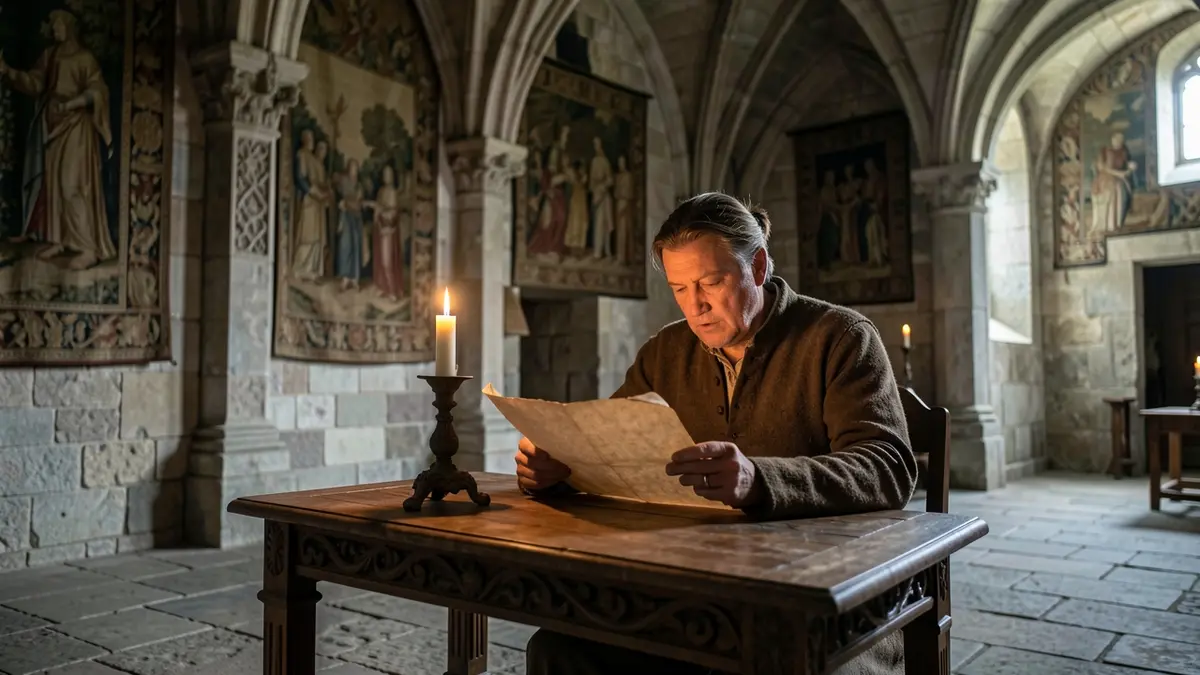
Vlad’s own letters, preserved in the archives of the Vatican and in a small collection at the National Library of Romania, provide direct insight into his diplomatic negotiations with the Kingdom of Hungary and the Papacy. The language is formal and often aimed at securing military aid, so the documents tend to emphasize his legitimacy and downplay setbacks. Nevertheless, they are valuable for confirming dates of treaties and the existence of specific fortifications.
Ottoman records, especially the “Defter-i Hakani” fiscal surveys, list tribute payments from Wallachia and occasional military campaigns against Vlad’s forces. These registers were compiled for tax purposes, making them relatively free of narrative embellishment, though they naturally portray Vlad as a rebellious vassal when he withheld payments.
Polish and Hungarian chronicles, written by monks and court historians, blend factual reporting with moral commentary. The “Chronicle of Jan Długosz” frequently describes Vlad as a “cruel tyrant,” reflecting the political tensions between the Kingdom of Poland and the Wallachian principality. While such accounts must be read critically, they often contain precise battle locations and casualty figures that can be cross‑checked with archaeological findings.
Modern scholars also draw on archaeological reports from sites like Poenari Fortress and the ruins of Târgoviște. These scientific studies are not primary narratives but they corroborate details found in the written sources, such as the scale of fortifications and evidence of fire damage consistent with the 1462 Ottoman siege.
| Source type | Date | Bias | Usefulness |
|---|---|---|---|
| Vlad’s diplomatic letters | 1450‑1462 | Self‑promotional, seeks allies | High for dates, treaties, political intent |
| Ottoman tax registers (Defter-i Hakani) | 1455‑1465 | Administrative, fiscal focus | Medium for tribute data, campaign chronology |
| Polish Annals of Jan Długosz | 1460‑1470 | Religious and political opposition | Low‑medium; useful for battle locations, caution on moral judgments |
| Wallachian Chronicle of the Order of the Dragon | 1460‑1475 | Order’s propaganda, legitimizing Vlad | Medium; confirms titles, lineage, some event dates |
| Archaeological site reports | 2000‑present | Scientific, evidence‑based | High for physical verification of fortifications and siege damage |
By cross‑referencing these sources, historians can separate propaganda from verifiable fact. For creators looking to embed Vlad Dracul in fiction, the checklist above helps identify which details are solidly documented and which remain open to artistic interpretation. For further reading on adapting historical material with AI tools, see the Carpathron Studio guide on visual storytelling.
From history to fantasy: using Vlad Dracul in modern storytelling
Historical anchors in fictional narratives
Writers often begin with the documented events of 15th‑century Wallachia—Vlad II Dracul’s imprisonment, his brief reign, and the 1474 testament written by his father. By preserving these milestones, a story retains credibility while opening space for imaginative expansion. In the novel Ordo Draconis: The Unlit, Mircea S. Rusu anchors the protagonist Vlad, “son of the Dragon,” in the real city of Visegrád and the actual Ottoman‑Wallachian conflicts of 1474. The book then layers fictional Orders, secret houses, and the Unlit as hidden antagonists, demonstrating how a factual framework can support a richly invented mythos.
Game design: turning fact into interactive drama
The upcoming Ordo Draconis: The Unlit video game follows the same strategy. Its narrative starts with the historical journey from Edirne to Rome, using authentic 15th‑century locations as level backdrops. Gameplay mechanics—such as the Dragon Knight, Lancer of the Order, and Solomonar classes—draw loosely from the era’s martial culture, yet they are expressed through a fantasy combat system reminiscent of MU Online. By anchoring quests in real events (e.g., a siege of a Wallachian fortress) and then introducing the Unlit as a supernatural force, the developers create a seamless blend of education and entertainment.
Visual storytelling with AI‑assisted tools
Producing cinematic cutscenes for a historically flavored game can be time‑consuming. The team behind Ordo Draconis leverages Carpathron Studio to convert narrative scripts into short video sequences. The software reads the novel’s chapter outlines, generates character and location assets, and renders shots with AI models that respect the period’s visual style. Because the tool can reuse reference pictures across multiple shots, the same medieval castle appears consistently throughout the game, reinforcing the historical atmosphere while still allowing fantastical elements like glowing Unlit entities.
Balancing authenticity and creative liberty
When adapting Vlad Dracul, creators must decide which facts to keep and which to reinterpret. The Ordo Draconis novel preserves the core timeline—Vlad’s imprisonment, his father’s testament, and the political tension with the Ottoman Empire—while inventing the Illuminated Houses to explain hidden power struggles. The game mirrors this balance by offering historically accurate dialogue options alongside magical abilities that have no real‑world counterpart. This approach invites players to explore “what if” scenarios without discarding the underlying historical context.
Tip: Start your own Vlad‑inspired project by drafting a timeline of verified events, then insert a single fantastical element per chapter. Use that element as a narrative hook, and let AI tools like Carpathron Studio visualize the blend for consistency.
Create your own Vlad‑inspired story: step‑by‑step guide
Turning the complex life of Vlad Dracul into a compelling narrative requires a balance of solid research and creative freedom. The following five‑step workflow helps writers move from raw sources to a polished story that respects history while embracing fantasy.
- Gather primary sources. Start with contemporary chronicles such as the Chronicle of the Morea and the writings of Jan Długosz. Note dates, locations, and key figures like Vlad II Dracul, his son Vlad III, and the Order of the Dragon. Record any conflicting accounts in a simple table to visualize gaps that later become narrative opportunities.
- Map the historical timeline. Plot the major events—Vlad’s imprisonment in 1442, his ascension in 1448, the 1462 Ottoman siege—on a horizontal axis. Use a spreadsheet or a free mind‑mapping tool to align each event with possible story beats (inciting incident, climax, resolution). This visual aid keeps the plot anchored in real chronology.
- Define the fantasy premise. Choose a single supernatural hook: a cursed relic, a secret order of dragon‑worshippers, or a hidden realm that feeds on fear. Keep the premise narrow; for example, “Vlad discovers a forgotten dragon sigil that grants him visions of future battles.” This step turns the historical skeleton into a genre‑specific story.
- Write, test, and refine. Draft the first chapter and run it through the Whisper speech checker in Carpathron Studio to ensure dialogue sounds authentic. Render a short 5‑second shot of a pivotal duel using the local Wan 2.2 model; this visual prototype helps you spot pacing issues early. After each scene, compare the fictional events with your source table and adjust any historical inconsistencies.
When you need inspiration for blending fact and fantasy, explore the world building of Ordo Draconis. Its use of 15th‑century settings alongside magical classes shows how to respect real locations while inserting imaginative elements. Finally, share a draft with peers or a local historian, incorporate feedback, and polish the manuscript for submission or self‑publishing.
Why understanding the real Vlad matters for creators
When a creator builds a story around Vlad Dracul, the historical record supplies concrete details that can transform a vague vampire myth into a vivid narrative landscape. Knowing that Vlad was a 15th‑century Wallachian prince who fought Ottoman incursions, negotiated with rival boyars, and endured imprisonment in the Order of the Dragon gives writers a palette of real motives, alliances and betrayals. Those facts become narrative hooks that feel earned rather than invented, allowing readers to sense that the conflict is rooted in genuine power struggles.
Richer world‑building through authentic backdrop
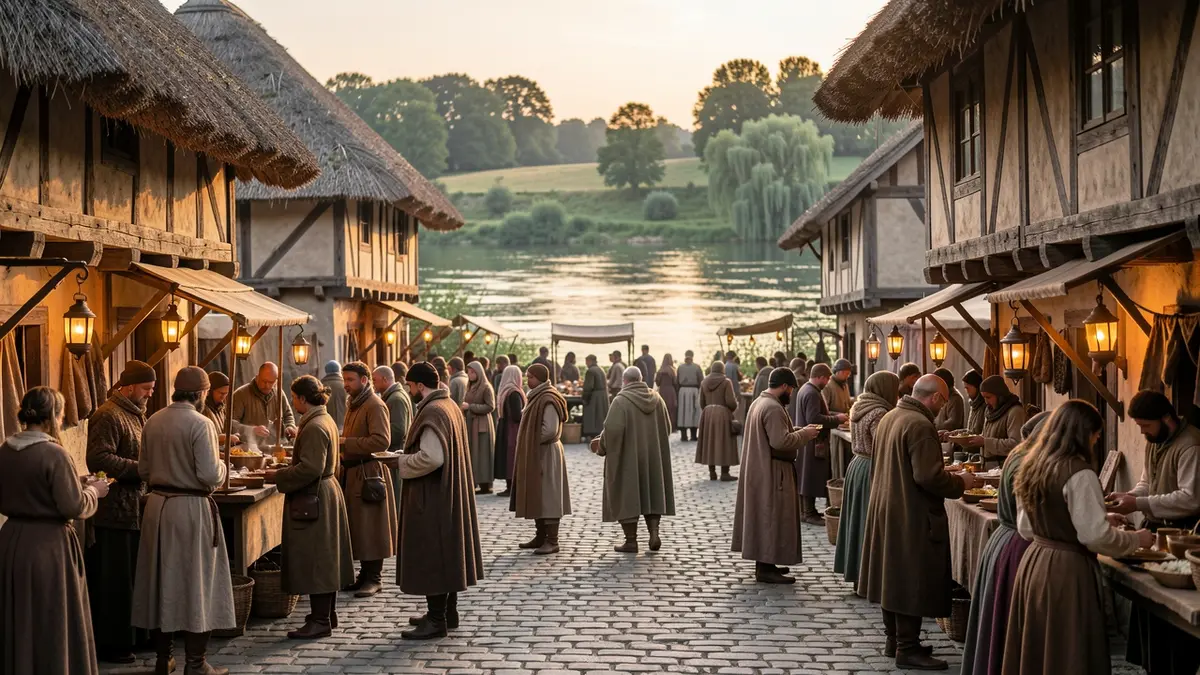
Historical settings provide ready‑made geography, architecture and social hierarchies. A scene set in the fortified citadel of Târgoviște can reference the actual stone walls and the surrounding forest that once sheltered Vlad’s troops. By weaving in real trade routes between Edirne and Rome, a creator can map characters’ journeys with logical distances and travel times, avoiding the “teleport‑to‑the‑next‑battle” trap that weakens immersion. The result is a world that feels lived‑in, where every tavern, market and battlefield carries the weight of documented history.
Authentic conflict that resonates
Vlad’s documented battles against the Ottoman Empire and his internal campaigns against rival nobles create a template for layered antagonism. Instead of relying solely on supernatural foes, a writer can juxtapose human political intrigue with the looming threat of the “Unlit” as imagined in the novel Ordo Draconis. This duality mirrors the real tension between external invasion and internal dissent that defined the era, giving the story stakes that are both personal and geopolitical.
Respectful cultural representation
Grounding fantasy in vetted history helps avoid the caricature of Romanian culture that often appears in generic vampire tales. By acknowledging the actual customs of the 15th‑century Wallachian court, the Orthodox faith, and the multilingual environment of the Balkans, creators can portray characters with nuance and avoid perpetuating stereotypes. Respectful representation not only honors the source material but also broadens the audience’s appreciation for a region that is frequently misrepresented.
Accelerating the writing process with AI assistance
Qubitpage’s Carpathron Studio offers an AI‑driven workflow that can turn a historically grounded outline into a complete script. After drafting a plot that incorporates verified events, the app can generate a cast list, location descriptions and a shot list that respect the period’s visual language. The built‑in Whisper speech checker ensures that dialogue matches the intended accents and phrasing, while the Piper voice library provides multilingual narration for Romanian, Italian or French scenes. By automating repetitive tasks, creators can focus on refining the historical nuances that give their fantasy depth.
In sum, a solid grasp of Vlad Dracul’s real life equips storytellers with credible material for world‑building, conflict design and cultural sensitivity. Coupled with AI tools like Carpathron Studio, that knowledge becomes a springboard for efficient, high‑quality production that honors history while unleashing imagination.
Frequently asked questions
What real events made Vlad Dracul a feared ruler?
Vlad III, known as Vlad Dracul, ruled Wallachia in the mid‑15th century and fought against the expanding Ottoman Empire. He imposed a strict code of justice that included impalement for crimes such as theft and betrayal, a method that spread terror among both locals and invading forces. His campaigns against rival boyars and frequent raids into neighboring territories reinforced his reputation for ruthless efficiency.
How did the name "Dracula" originate?
The surname “Dracula” derives from the Romanian word “drac,” meaning “dragon,” combined with the diminutive suffix “‑ula.” Vlad’s father, Vlad II, was inducted into the Order of the Dragon, a Christian military order, and was called “Dracul” (“the Dragon”). When Vlad III took the name “Dracula,” it signified “son of the Dragon,” a literal translation of “son of Dracul.”
Did Vlad Dracul ever claim to be a vampire?
Historical records contain no evidence that Vlad III ever described himself as a vampire or claimed any supernatural powers. The vampire myth emerged centuries later, fueled by folklore, sensationalist journalism, and later literary works such as Bram Stoker’s novel. Contemporary chronicles focus on his political and military actions rather than any self‑identified vampiric nature.
Which books blend Vlad Dracul history with fantasy?
Several modern novels intertwine Vlad III’s historical backdrop with fantasy elements, most notably Mircea S. Rusu’s “Ordo Draconis: The Unlit,” which places a fictional prince in 15th‑century Europe amid secret societies and hidden powers. Other examples include “The Historian” by Elizabeth Kostova, which mixes real Ottoman‑Wallachian conflicts with a supernatural quest, and “Vlad: The Last Romanian” by Robert E. Kelley, which adds mythic motifs to documented events.
How can I use Qubitpage tools to write a Vlad‑inspired story?
Carpathron Studio, a Windows‑only application from Qubitpage, can transform a written Vlad‑centric narrative into a short film. Begin by drafting a script that outlines characters, locations such as Târgoviște or Poenari, and key scenes; the app will generate a cast list, shot list, and AI‑rendered visuals. Using the Guided mode lets you approve each step, while the built‑in Whisper speech checker ensures any dialogue matches the intended words, allowing you to refine the story before exporting to MP4 or WebM.
Wrapping up: history, myth, and creative possibilities
When you blend documented events from 15th‑century Europe with the fictional Order of the Dragon, you gain a framework that supports both scholarly inquiry and imaginative storytelling. Start by anchoring each scene in a real location—Visegrád, Edirne, or Poenari—then layer the secret Houses and the Unlit as narrative devices that explain hidden motives. Use the three playable classes to illustrate how personal combat styles reflect broader ideological conflicts: the Dragon Knight’s shielded resolve, the Lancer’s ranged precision, and the Solomonar’s arcane insight. By assigning Strength, Agility, Vitality, and Energy points to key actions, you can model character growth that mirrors historical rise and fall.
These techniques let you craft a cohesive tale that respects the source material while exploring speculative twists. Whether you are drafting a novel, designing a game level, or planning a role‑playing session, the balance of fact and fantasy creates a richer experience for readers and players alike. For more resources, visit the most relevant Qubitpage page.