Writers and game designers often struggle to make a villain feel truly terrifying, especially when the antagonist feeds on something as abstract as fear.
The answer is to give the villain clear rules, a historical anchor, and sensory hooks—just like the Unlit from Ordo Draconis.
What makes the Unlit a unique fear‑feeding villain
Poenari – the gothic stronghold
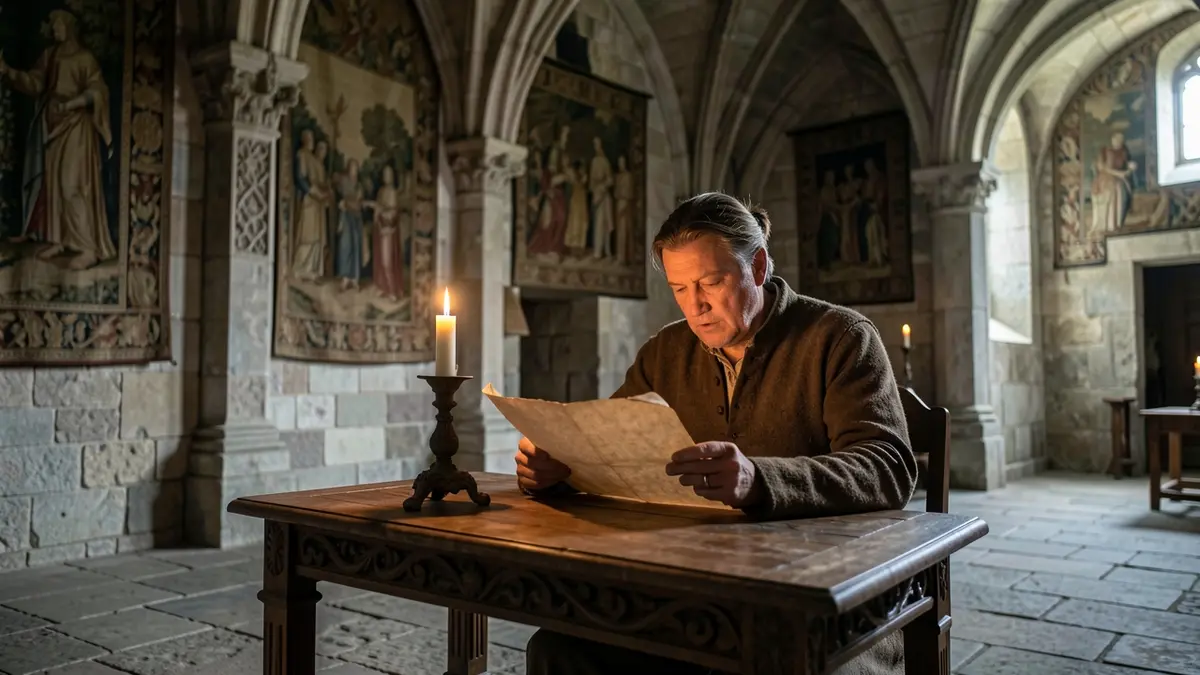
Poenari Castle, perched above the Argeș River, is historically linked to Vlad III, the “real” Dracula. In the book, the Unlit lurks beneath its crumbling walls, feeding on the terror of prisoners held in the dungeon. The castle’s authentic architecture—narrow stairways, stone battlements, and a deep well—offers designers a ready‑made set piece that feels both historic and ominous. By placing the villain in a location already steeped in folklore, the fear‑feeding mechanic resonates with readers who recognize the site’s legendary reputation.
Connecting the locations through the Order
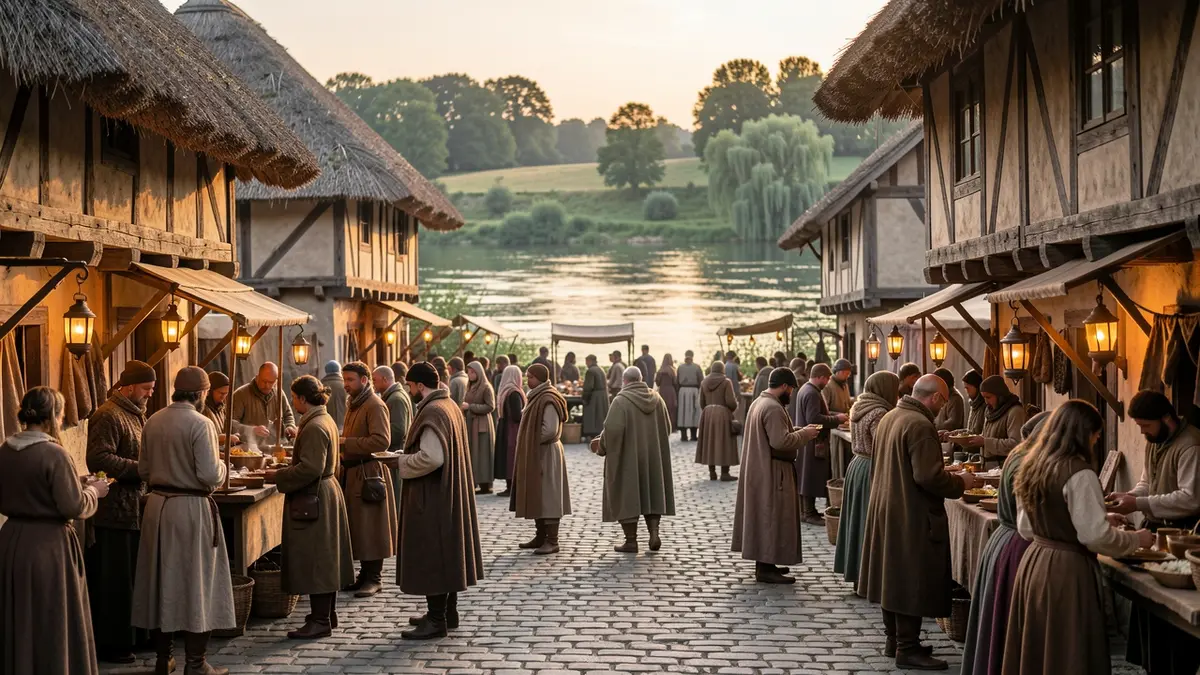
The Order of the Dragon serves as a narrative bridge linking Visegrád, Edirne, and Poenari. Historically, the Order was a real chivalric society founded in 1408 to defend Christendom against Ottoman incursions. The novel’s portrayal of the Order’s secret courts and hidden archives gives the Unlit a plausible network of spies and informants across these cities. When designing a fantasy antagonist, mirroring such a historical organization creates a believable infrastructure for the villain to operate within, allowing the fear‑feeding theme to manifest in political, cultural, and personal spheres.
Tip: Anchor each fear‑feeding encounter in a specific historical landmark; the tangible details of the site amplify the villain’s credibility and make the fear feel grounded rather than abstract.
For further reference, see the project page for Ordo Draconis and the book description on the intro video. These sources provide the exact phrasing used for Visegrád, Edirne, and Poenari, ensuring that any villain design stays true to the established lore.
Step‑by‑step process to design a fear‑feeding villain
- Identify the core fear. Start by naming the emotion that will fuel the villain’s power – for the Unlit it is the terror of hidden forces that manipulate wars. Write a one‑sentence description of why this fear matters to your world and how it can be triggered in players.
- Define the source of the fear. Pinpoint a tangible or mythic origin, such as a secret order, a cursed artifact, or a forgotten prophecy. In the case of the Unlit, the source is the “hidden forces behind the wars” that feed on fear and corruption, giving the villain a clear motive and a narrative hook.
- Map the fear to gameplay mechanics. Decide how the fear will affect player stats or choices. For example, each encounter with the Unlit could reduce a “Courage” meter, forcing the player to seek safe zones or use calming items. This creates a feedback loop where the villain grows stronger as fear accumulates.
- Design visual and audio cues. Choose a limited palette of symbols, sounds, or animations that signal the presence of fear. The Unlit’s aesthetic could include dim, flickering shadows and a low, resonant hum that rises when a character’s fear spikes, reinforcing the atmosphere without relying on explicit dialogue.
- Integrate narrative beats. Structure the story so that the villain’s influence appears at key moments – a whispered rumor, a sudden ambush, or a corrupted landmark. Use the “Next episode” concept from Carpathron Studio to continue the villain’s thread across multiple chapters, ensuring consistency of fear triggers.
- Provide a counter‑measure loop. Offer players tools to mitigate fear, such as a “Resolve” skill, protective talismans, or cooperative actions that boost morale. The mechanic should be transparent: when a player uses a counter, the fear meter drops and the villain’s power wanes, giving a sense of agency.
- Test and iterate. Run playtests focusing on the fear meter’s responsiveness. Observe whether players feel tension without frustration. Adjust the rate at which the Unlit drains courage or the effectiveness of counter‑measures until the balance feels tense but fair.
- Document the villain’s profile. Compile a concise reference sheet that lists the fear source, triggers, mechanics, visual/audio cues, and counter‑measures. This checklist helps writers, designers, and artists keep the Unlit’s traits aligned throughout development.
Key traits checklist for a memorable fear‑feeding antagonist
When you translate the concept of the Unlit into a broader design framework, the same four dimensions repeatedly surface: where the fear originates, how the villain is perceived, the degree of control it exerts, and the hinge that can turn the tide. The table below lines up those dimensions for the Unlit and for a typical fantasy antagonist, giving you a quick reference while you flesh out your own creation.
| Trait | Unlit (Ordo Draconis) | Generic fantasy villain |
|---|---|---|
| Source of fear | Feeds on collective anxiety and corruption; its presence amplifies dread in crowds and in isolated minds. | Often a personal vendetta, a cursed artifact, or a tyrannical ruler whose cruelty is the primary scare factor. |
| Visibility | Shrouded in shadow; can manifest as whispers, distorted silhouettes, or fleeting silhouettes that only half‑appear. | Usually a fully visible figure—dragon, warlord, or sorcerer—whose menace is shown through armor, magic, or sheer size. |
| Agency | Operates through proxies—possessed beasts, corrupted nobles, or haunted locations—allowing it to act on many fronts simultaneously. | Directly commands minions or casts spells, but its actions are generally limited to a single battlefield or stronghold. |
| Weakness | Requires a tangible anchor of hope or truth; breaking the collective belief in its power can disperse it. | Often a single magical item, a forbidden spell, or a personal secret that can be exploited. |
Beyond the four core dimensions, consider adding optional checkpoints such as “Motive depth,” “Cultural resonance,” and “Narrative flexibility.” These help you decide whether the villain can evolve across chapters or remain a static obstacle.
Checklist for your own fear‑feeding foe
- Source of fear: Identify whether the dread comes from internal (psychological) or external (environmental) triggers.
- Visibility: Decide if the antagonist is ever fully seen or remains an ever‑shifting silhouette.
- Agency: Map out the network of agents that spread the fear, from minions to cursed locations.
- Weakness: Define a concrete, story‑driven method to counteract the fear feed, ensuring player agency.
- Motive depth: Give the villain a purpose beyond terror, such as a twisted vision of order.
- Cultural resonance: Tie the fear to real‑world myths or historical anxieties to ground the fantasy.
For visualizing the villain’s impact, you can prototype scenes with Carpathron Studio. The tool lets you render short sequences that showcase how the Unlit’s presence warps light, sound, and atmosphere, providing a concrete reference for artists and writers alike.
Tip: When you introduce a fear‑feeding antagonist, reveal its influence gradually—first as a rumor, then as a subtle visual cue, and finally as a full‑blown manifestation. This pacing mirrors how real fear spreads and keeps the audience engaged.
Integrating the Unlit into story arcs and player choices
Chapter‑by‑chapter escalation in the novel
The Unlit can be introduced in the opening chapter of Ordo Draconis: The Unlit as a whispered rumor in Visegrád, giving the imprisoned prince a vague antagonist to fear. In the second chapter, the narrative can place a covert Unlit agent at the court of Edirne, forcing the protagonist Vlad to choose between a diplomatic mission and a secret investigation. By chapter three, the Unlit’s influence should be visible in a battle near Poenari, where the enemy’s tactics shift according to the player’s earlier decision to trust or betray a local ally.
Each chapter should raise the stakes by revealing a new facet of the Unlit’s power: first as a hidden manipulator, then as a corrupting presence that twists ordinary soldiers, and finally as a direct manifestation that feeds on the fear generated by previous choices. This layered reveal mirrors the structure of the existing chapters, which move from Nuremberg to Wallachia and then deeper into the Order’s history.
Level design for the game
In the game, the first level can feature a low‑level Unlit minion that appears when the player ignores a warning from a town elder. The player’s choice to investigate or continue the main quest triggers a branching path: investigating spawns a hidden corridor with a puzzle, while ignoring the warning leads to a combat encounter that introduces the Unlit’s ability to corrupt health bars.
Subsequent levels should scale the Unlit’s impact. A mid‑game level set in a ruined monastery could present a choice between rescuing a captured scholar or stealing a magical artifact. Selecting the rescue option causes the Unlit to appear as a shadow that saps morale, reducing the party’s Strength and Agility points. Choosing the artifact triggers a cutscene where the Unlit whispers promises of power, prompting the player to weigh short‑term gain against long‑term fear.
Player‑driven narrative loops
Integrate a feedback loop where the Unlit’s presence alters later chapters or levels based on earlier decisions. For example, if the player repeatedly avoids confronting the Unlit, later chapters can feature a city under siege, with NPC dialogue referencing the growing dread. Conversely, confronting the Unlit early can unlock a “resistance” branch, granting access to a hidden safe house and unique dialogue options.
Use the built‑in character library of Carpathron Studio to keep the Unlit’s visual description consistent across chapters and levels. Export the same reference picture for each appearance, ensuring the AI‑generated shots maintain continuity. This approach also lets writers reuse the Unlit’s voice lines generated by the Piper voice models, reinforcing its eerie presence.
Balancing tension and agency
Design each encounter so that the Unlit’s influence is felt but not inevitable. Provide at least two viable solutions—combat, diplomacy, or a stealth approach—so the player’s agency remains intact. When a choice leads to a more frightening outcome, increase the Unlit’s narrative weight by adding a subtitle cue or a subtle change in the background music.
By weaving the Unlit through both the novel’s chapter structure and the game’s level progression, designers can create a persistent, fear‑feeding villain that reacts to player agency while steadily escalating tension.
Visual and audio cues that convey a fear‑feeding presence
The Unlit thrives on dread, so every visual and auditory element should whisper that hunger. In the novel, the narrator describes shadows that linger longer than the light that casts them, and a low murmur that seems to echo from the walls of ancient castles. Translating that atmosphere into the game requires a disciplined use of lighting, particle effects, and layered sound design.
Lighting that bends reality
Use high‑contrast chiaroscuro to make the Unlit’s silhouette appear as a distortion rather than a solid form. In Carpathron Studio, set the base illumination to a cool, desaturated tone and then add a narrow, flickering rim light that follows the creature’s movement. The rim should shift in hue—sometimes a faint violet, other times a sickly green—mirroring the Unlit’s ability to feed on different fears. When the villain steps into a room, trigger a subtle drop in ambient light (about 15 %) and a brief, soft bloom around nearby objects, suggesting that the very air is being drained.
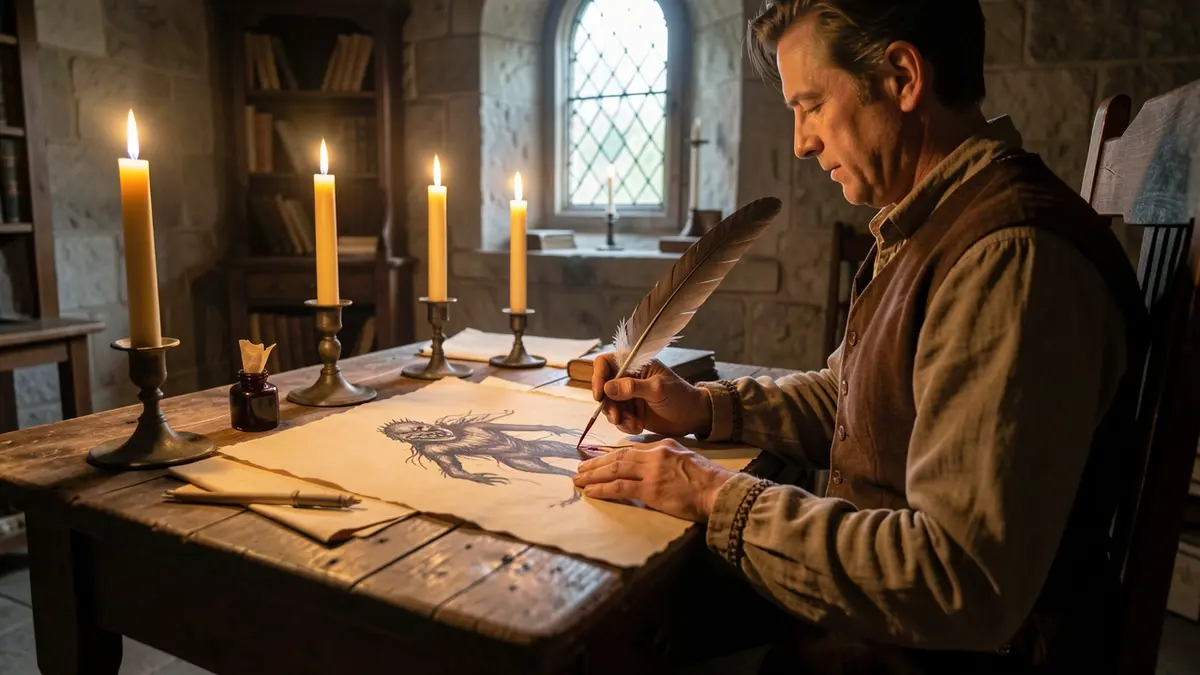
Reference pictures of the Unlit can be stored in the studio’s library and reused for each shot, ensuring consistency across episodes. By re‑using the same reference image for the creature’s eyes, you guarantee that the unsettling glow remains identical, reinforcing the feeling that the villain is a single, ever‑watching entity.
Audio textures that stir anxiety
Layer three audio tracks to create a fear‑feeding soundscape. First, a low‑frequency rumble—generated with a synth or a field recording of distant thunder—provides a physical sense of pressure. Second, a sparse, high‑pitched whisper that repeats fragmented phrases from the Unlit’s lore (e.g., “the Unlit watches,” “fear feeds”). Carpathron Studio’s built‑in Whisper speech checker can verify that the spoken lines match the intended script, preventing accidental mispronunciations that would break immersion.
Finally, add an ambient texture of rustling leaves or distant church bells, but filter them through a subtle reverb that makes them sound as if they are emanating from the walls themselves. When the Unlit appears, fade the ambient track out for a moment, letting only the rumble and whisper remain; the sudden silence of the environment amplifies the creature’s presence.
Descriptive cues that reinforce the visual and audio design
Write concise, sensory‑rich descriptions that echo the visual and audio cues. Instead of stating “the Unlit is scary,” describe the way “the candlelight trembles, casting elongated shadows that crawl like living veins across the stone floor.” Pair this with a line such as “a cold breath carries a susurrus of forgotten prayers, each syllable twisted into a hiss.” These phrases give the player a mental image that aligns with the lighting and sound effects you have programmed.
When the Unlit manipulates a character, note the physical reaction: “His skin prickles as the darkness seeps into his veins, and the distant chime of a cathedral bell warps into a low, mournful drone.” Such wording ensures that the player’s imagination fills the gaps left by the 3‑D assets, making the fear‑feeding presence feel pervasive.
By coordinating lighting, layered audio, and precise description, the Unlit becomes more than a visual model—it becomes a palpable threat that feeds on the player’s own unease. For a deeper look at how Carpathron Studio handles AI‑generated scenes, visit Carpathron Studio.
Frequently asked questions
How can I make a villain that feeds on fear feel original?
Ground the fear‑feeding trait in a concrete mythos, such as the Unlit described in Ordo Draconis, and give it a distinct ritual for harvesting terror. Show the villain using a specific artifact or a whispered chant that transforms the emotion into a visible energy, so players can see the consequence of their dread. Pair this with a personal motive—perhaps the villain seeks to restore a forgotten lineage—so the power is tied to character, not just a generic mechanic.
What historical elements from Ordo Draconis can I reuse safely?
The novel places its story in real 15th‑century locations like Visegrád, Edirne, Rome and Târgoviște, which can be mapped onto your game world without copyright concerns. Use authentic titles such as “Prince” or “Order of the Dragon” and incorporate documented events, for example the Ottoman‑Hungarian conflicts of 1474. The invented secret families, called the Illuminated, are fictional and can be adapted as shadow factions that interact with the historical backdrop.
Should the Unlit be visible to players or stay hidden?
Design the Unlit as an ever‑present influence that only occasionally manifests physically, mirroring its description as a hidden force behind wars. Reveal brief silhouettes or corrupted shadows during key narrative moments to reinforce its threat, while keeping its true form concealed for most of the playthrough. This balance maintains mystery and lets players feel the tension of an unseen predator.
How many gameplay mechanics should I tie to the fear‑feeding ability?
Limit direct mechanics to three core systems: a fear meter that rises with player actions, a corruption spread that alters enemy behavior, and a resource‑drain that weakens player stats when the meter peaks. Each system should interact, so raising fear automatically increases corruption and triggers the resource‑drain, creating a feedback loop without overwhelming the design with redundant features.
What narrative pacing works best for a fear‑driven antagonist?
Start with subtle hints of dread, such as ambient whispers or trembling NPCs, then gradually increase the frequency of overt Unlit interventions. Alternate calm exploration phases with short, intense encounters that showcase the villain’s fear‑feeding, allowing players to recover before the next escalation. Concluding the arc with a climactic showdown where the accumulated fear must be confronted directly provides a satisfying resolution.
Wrapping up the Unlit design process
Begin by anchoring each Unlit villain in a concrete historical setting; use real 15th‑century locations such as Visegrád or Edirne as backdrops for their emergence. Describe the creature’s feeding habit in vivid, sensory terms—how fear ripples through a crowded market or how corruption seeps into a noble’s council chamber. This grounds the supernatural element and gives players a clear visual cue.
Next, define a limited set of powers that echo the Unlit’s thematic role. Choose one ability that manipulates emotion, one that corrupts physical objects, and a signature attack that forces a moral dilemma. Pair each power with a visual cue drawn from the novel’s description—shadow‑filled armor, a constantly shifting silhouette, or a whispering aura. Consistency across encounters helps players recognize the threat and reinforces the narrative.
Finally, test the villain’s impact by staging a short encounter where the Unlit’s presence alone alters the environment, then iterate based on player reactions. When the design feels both terrifying and narratively integral, you’ve captured the essence of the fear‑feeding Unlit. Explore more details on the project at the most relevant Qubitpage page.